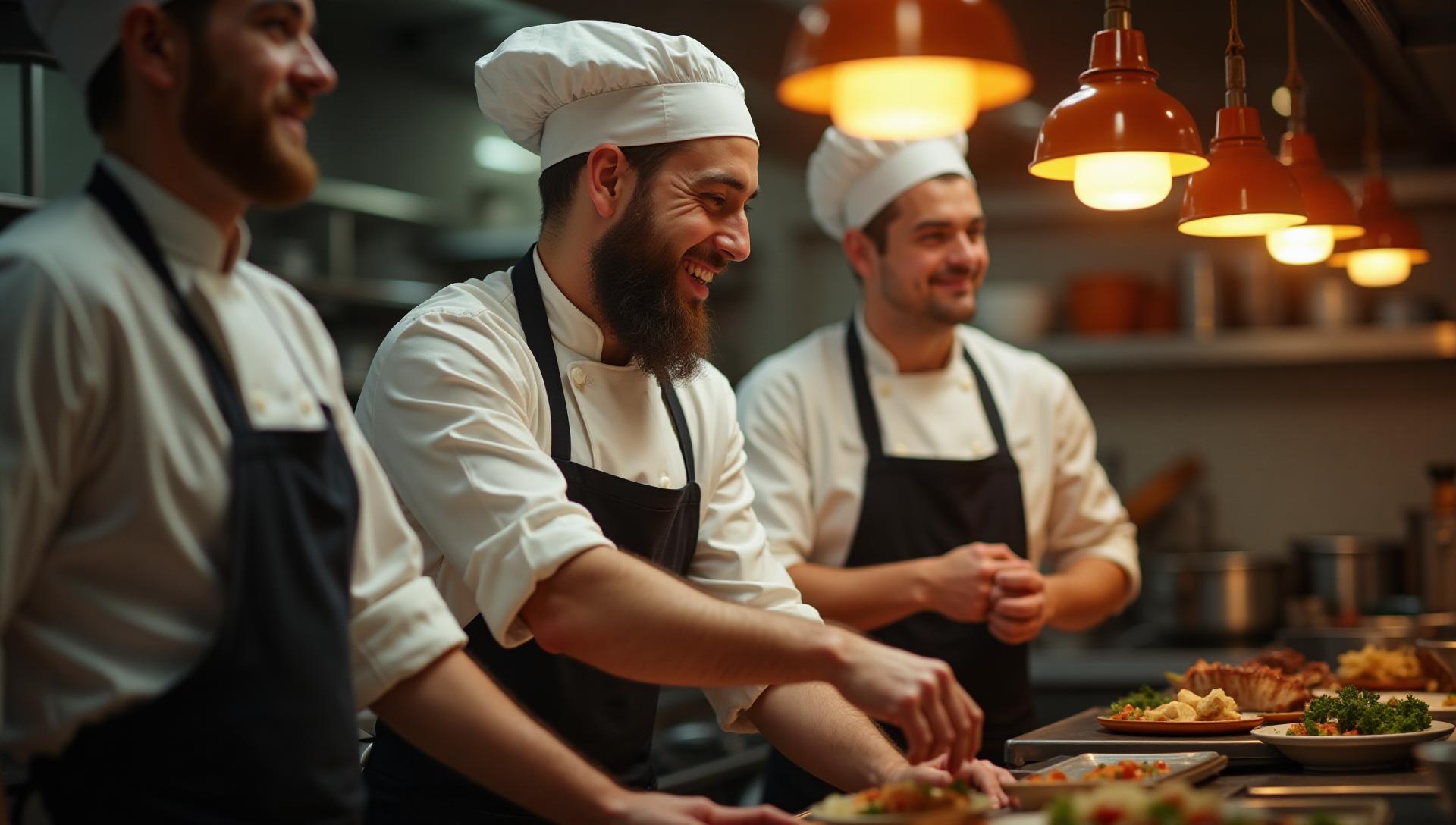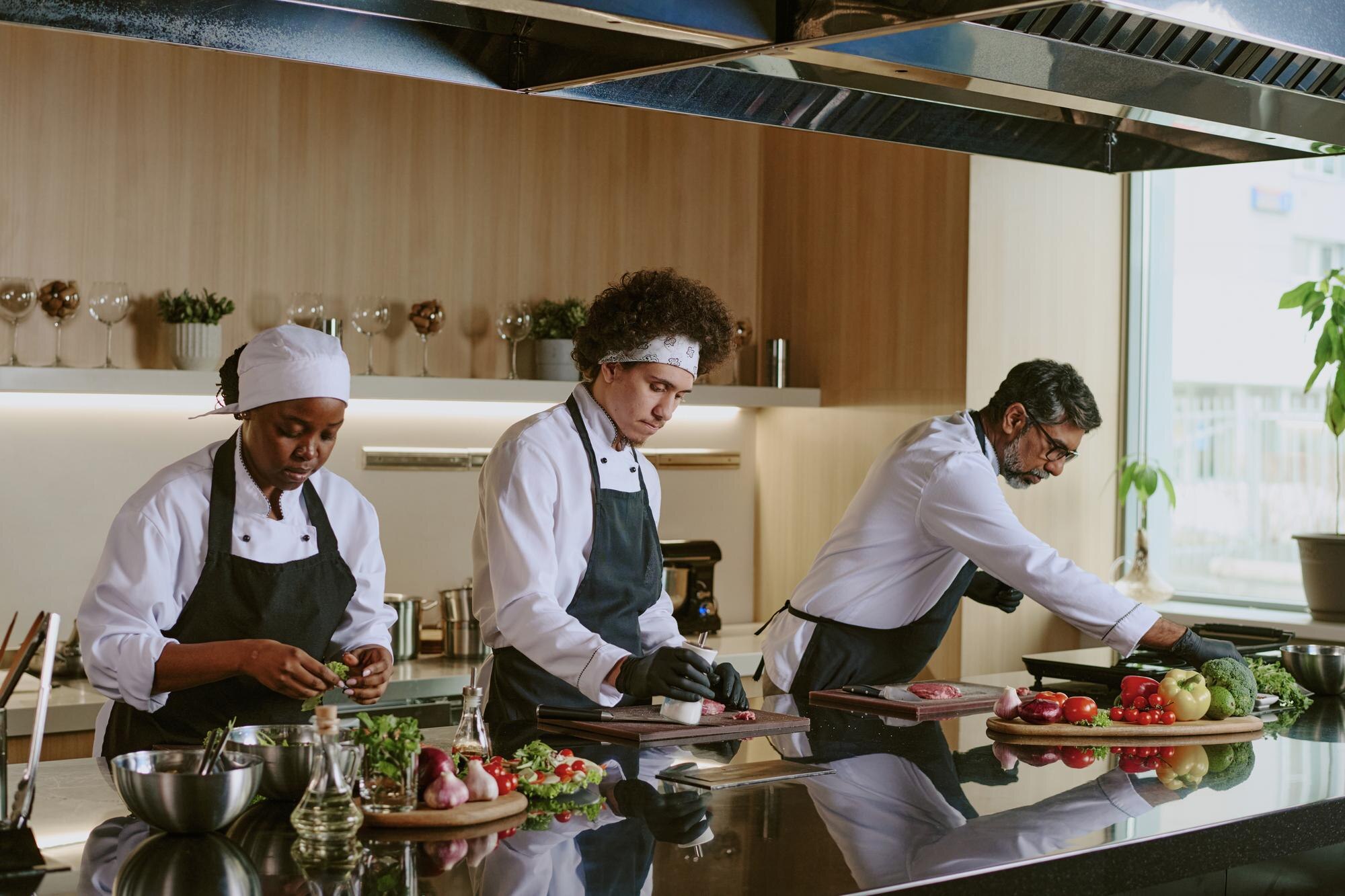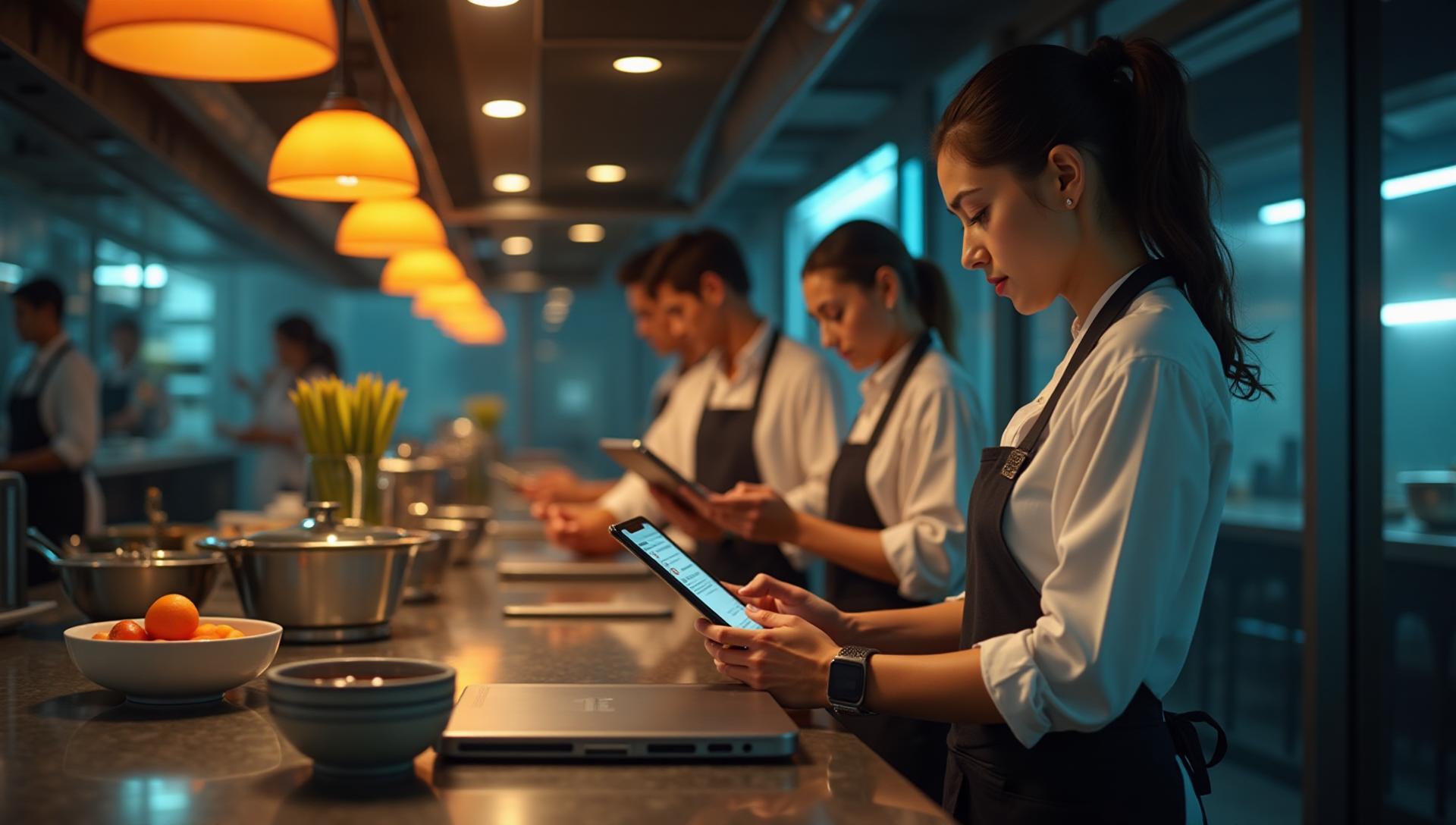
Post-pandemic staffing refers to the new approaches restaurants have adopted for hiring and retaining kitchen workers after the COVID-19 pandemic fundamentally changed employee expectations, labor market dynamics, and operational requirements in the hospitality industry.
The restaurant industry lost over 8 million jobs during the pandemic, and many workers never returned. Those who did come back—or entered the industry for the first time—bring different priorities: better pay, work-life balance, mental health support, and career growth opportunities. Restaurants that don't adapt are struggling to staff their kitchens.
In this guide, you'll learn how the pandemic permanently changed kitchen staffing dynamics, what today's workers expect from employers, and five proven strategies that successful restaurants are using to rebuild and maintain strong back-of-house teams.
How the Pandemic Changed Kitchen Staffing Forever
The hospitality labor market didn't just temporarily contract—it fundamentally restructured. Understanding these shifts is essential for effective post-pandemic staffing.
The Great Resignation's Lasting Impact
Many experienced kitchen workers used pandemic downtime to reassess their careers. Some retrained for new industries, started their own food businesses, or prioritized family over demanding kitchen hours. This created a skills gap that persists today.
Changed Worker Expectations
Workers who remain in hospitality now expect more from employers:
- Competitive wages: Below-market pay is an immediate disqualifier
- Predictable schedules: Last-minute scheduling no longer works
- Mental health support: Awareness of kitchen stress is at an all-time high
- Growth opportunities: Dead-end jobs fail to attract talent
5 Strategies for Post-Pandemic Staffing Success
1. Lead with Compensation Transparency
Post job listings with clear salary ranges. Today's candidates research pay extensively before applying. Transparency signals respect and saves everyone's time by attracting candidates who are aligned with your budget.
2. Offer Flexible Scheduling Options
The rigid "you work when we tell you" approach doesn't work anymore. Implement self-scheduling apps, honor shift preferences where possible, and provide at least two weeks' advance notice for schedules.
Fill Gaps Without Overburdening Your Team
DishwasherHero+ provides vetted kitchen professionals on-demand, so your core team gets the work-life balance they need while you maintain service quality.
3. Invest in Mental Health Resources
Kitchen work has always been stressful, but post-pandemic awareness has made mental health support a retention factor. Consider employee assistance programs (EAPs), manager training on recognizing burnout, and creating spaces for staff breaks.
4. Create Clear Career Pathways
Show new hires where they can go. Document advancement opportunities from entry-level to sous chef to executive chef. Provide training, mentorship, and timeline expectations. Workers stay longer when they see a future.
5. Build a Culture of Respect
The old-school "kitchen brigade" hierarchy with screaming chefs is dying. Younger workers won't tolerate toxic environments. Foster collaborative, respectful kitchens where feedback is constructive and contributions are valued.
Hybrid Staffing: The New Normal
Many successful restaurants now use a hybrid model: a core team of full-time employees supplemented by on-demand workers for peak periods. This approach offers several advantages:
- Reduced burnout: Core staff aren't overworked during busy times
- Cost control: Labor scales with actual demand
- Trial period: On-demand workers can become permanent hires
Rebuild Your Kitchen Team Today
Post-pandemic staffing requires new thinking. The restaurants that thrive will be those that treat kitchen workers as valued professionals deserving competitive pay, reasonable schedules, mental health support, and career growth.
Start by auditing your current practices against the five strategies above. Which areas need the most work? Make one improvement this week, another next month, and build momentum toward becoming an employer of choice in your market.
Ready to Modernize Your Staffing?
Build a resilient kitchen team with DishwasherHero+. Access vetted professionals who can fill gaps while you focus on building your core team.