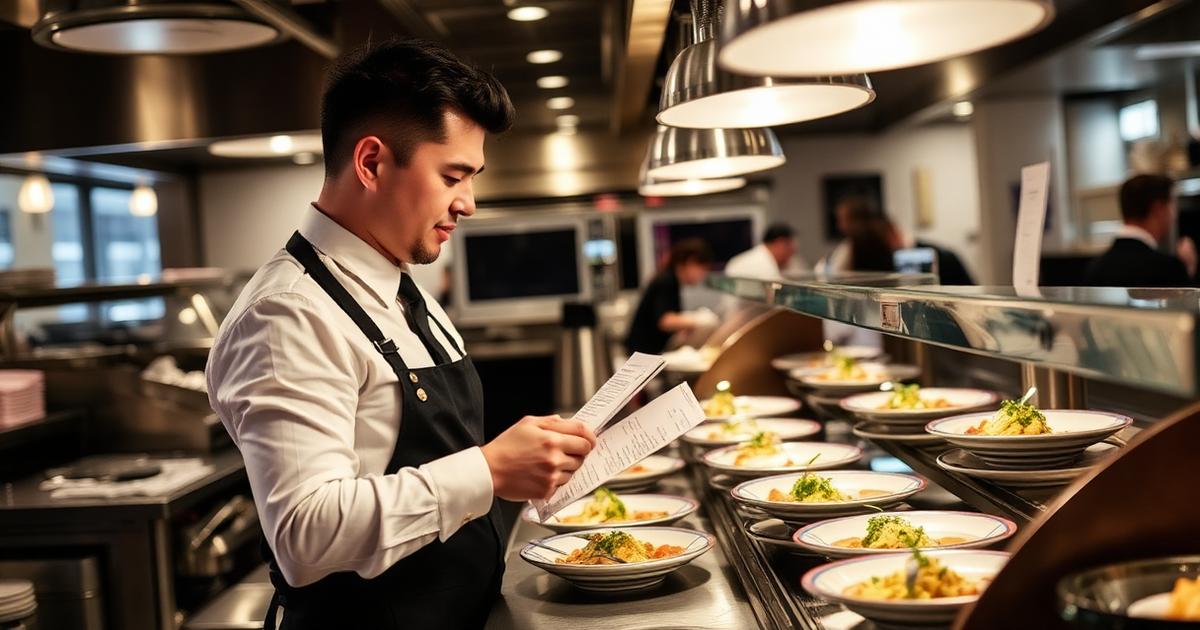
A resilient kitchen team is one that can adapt to challenges—from last-minute no-shows to economic downturns—without significant disruption to service quality. Resilience isn't just about bouncing back; it's about building systems and culture that can handle whatever comes next.
The hospitality industry has faced unprecedented challenges in recent years. From pandemic shutdowns to labor shortages and supply chain disruptions, kitchens that survived—and thrived—had one thing in common: resilient teams that could adapt quickly to changing circumstances.
In this guide, you'll learn the four pillars of kitchen team resilience: cross-training, bench depth, psychological safety, and documentation. You'll also discover how to build these principles into your hiring and management practices.
What Makes a Resilient Kitchen Team?
Resilient kitchens share specific characteristics that separate them from fragile operations vulnerable to disruption.
1. Cross-Training Is Non-Negotiable
When every team member can cover at least two stations, you're protected against no-shows and sudden departures. Create a formal cross-training program where staff rotate through positions monthly.
2. Build Deep Bench Strength
Resilient teams have reliable on-demand partners ready to fill gaps instantly. Don't wait until you're desperate—build relationships with staffing platforms before you need them urgently.
Build Your Backup Roster
DishwasherHero+ provides vetted kitchen professionals when you need them most—giving your team the backup they deserve.
3. Foster Psychological Safety
Teams that can openly discuss problems, admit mistakes, and ask for help recover faster from setbacks. Create an environment where feedback flows freely in all directions.
4. Document Everything
Resilient kitchens don't rely on tribal knowledge. Standard operating procedures, recipes, and processes should be documented so anyone can step in and maintain quality.
Building Resilience Into Your Hiring
Look for candidates who demonstrate adaptability, problem-solving skills, and grace under pressure. Ask interview questions about how they've handled past challenges:
- "Tell me about a time when you had to cover an unfamiliar station."
- "How did you handle a situation when everything went wrong during service?"
- "What do you do when you don't know how to do something?"
Resilience Practices to Implement
- Monthly cross-training rotations: Every staff member learns a new skill each month
- Emergency scenario drills: Practice what happens when key staff are unavailable
- Documentation sprints: Regularly update your SOPs and recipe documents
- Debrief meetings: Review challenges and what was learned after difficult services
Build Your Resilient Team Today
Building a resilient team takes intentional effort, but the payoff is enormous: less stress during crises, lower turnover, and a kitchen that can handle whatever the industry throws at it next.
Start by identifying your single biggest vulnerability. Is it a key person with no backup? A station no one else can cover? Fix that first, then expand your resilience practices systematically.
Ready to Add Bench Strength?
Build your on-demand roster before you need it urgently. Prepared operators handle challenges better.