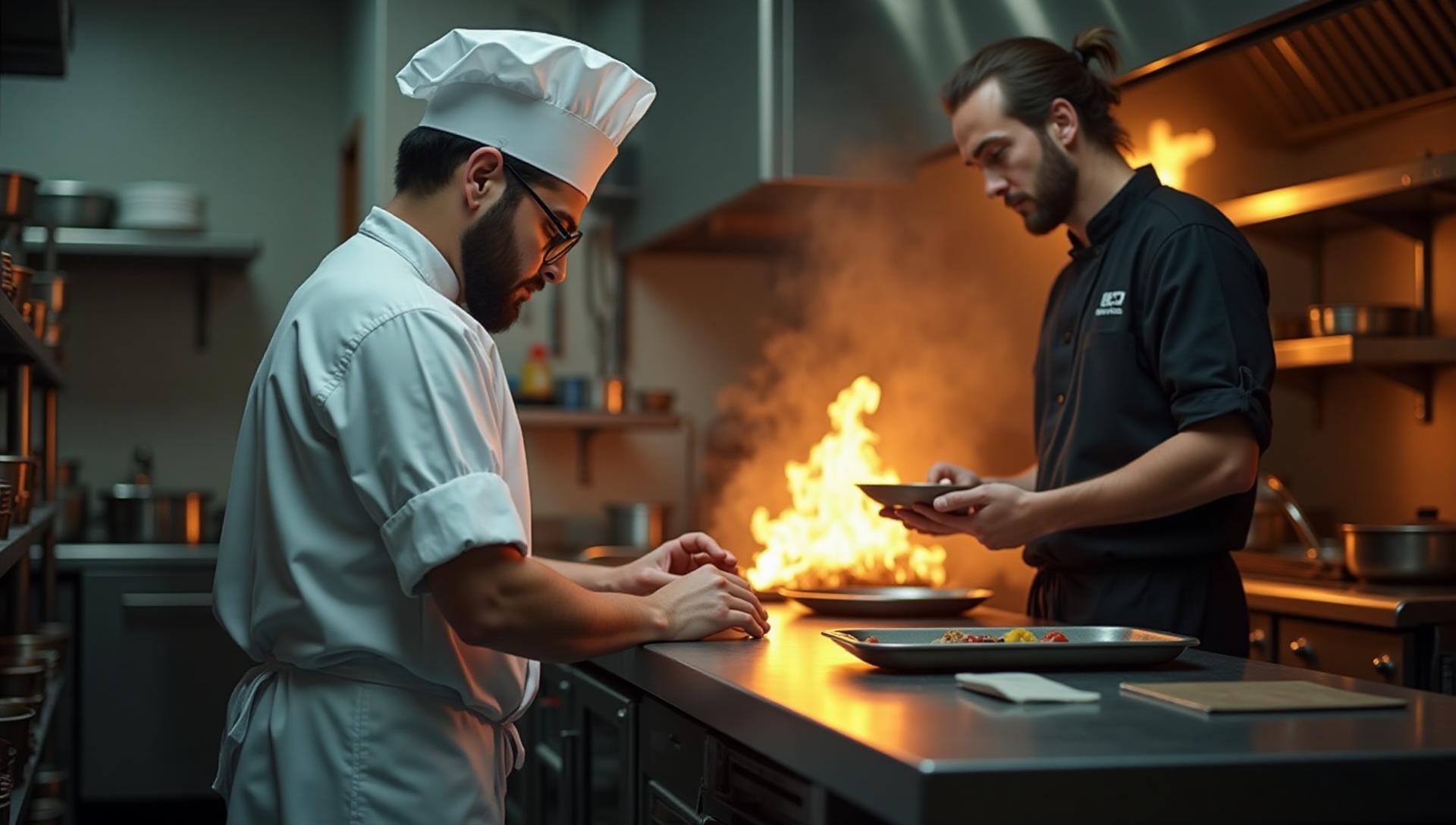
Kitchen safety and staffing are directly connected. Research shows a clear correlation between understaffing levels and workplace injury rates—when kitchens are short-staffed, accidents increase dramatically.
Kitchen accidents aren't just about individual mistakes—they're often symptoms of systemic understaffing issues. Beyond human suffering, workplace accidents cost money: workers' comp claims, legal liability, lost productivity, and reputation damage can devastate a business.
In this guide, you'll learn the specific connection between understaffing and accidents, the most common accident patterns in short-staffed kitchens, and four strategies for creating a safer kitchen through better staffing.
The Understaffing-Accident Connection
When kitchens are understaffed, several risk factors compound:
- Workers rush: Safety protocols get skipped to keep up with tickets
- Fatigue accumulates: Longer hours mean slower reactions and poor judgment
- Corners get cut: Cleaning and maintenance are deferred
- Training suffers: No time for proper supervision of newer staff
Common Accident Patterns
Burns and Scalds
Most common during rush periods when staff are moving too fast. Proper staffing means controlled pace and proper safety gear usage. Short-staffed kitchens see 3x more burn incidents.
Cuts and Lacerations
Often caused by fatigue, distraction, or using improper tools because the right ones are in use elsewhere. Adequate staffing reduces these pressures and provides time for careful work.
Slips and Falls
Frequently occur when cleanup is delayed due to short-staffing. Immediate spill response requires having enough hands available—something impossible when everyone is overwhelmed.
Never Be Short-Staffed Again
DishwasherHero+ provides verified kitchen professionals to keep your team safe and at full strength.
Creating a Safer Kitchen
Follow these four strategies to reduce accidents through better staffing:
1. Staff to Safe Levels
Never operate below minimum safe staffing, even if it means turning tables. The cost of an accident far exceeds the revenue from a few extra covers.
2. Have Backup Ready
Partner with on-demand staffing platforms to fill gaps quickly. Knowing backup is available reduces the temptation to operate short-staffed.
3. Prioritize Training
Well-trained staff are safer staff. Make time for safety training even during busy periods—it's an investment that pays back in reduced incidents.
4. Monitor Fatigue
Limit consecutive shifts and long hours. Tired workers make dangerous mistakes. Track hours and intervene before fatigue becomes a safety issue.
The Cost of Accidents
Consider the true cost of kitchen accidents:
- Workers' comp claims: Direct insurance costs and premium increases
- Legal liability: Potential lawsuits from injured workers
- Lost productivity: Time spent on incident response and reporting
- Reputation damage: Staff talk, and unsafe workplaces struggle to hire
Protect Your Team Today
Investing in proper staffing levels is cheaper than dealing with accidents. A single serious incident can cost more than a year of adequate staffing. The math is clear: safe staffing levels pay for themselves.
Start by defining your minimum safe staffing levels for each shift. Then build backup systems—whether cross-trained staff or on-demand partners—to ensure you never operate below those levels.
Ready for Safer Operations?
Build your safety backup roster with verified professionals who know kitchen safety.