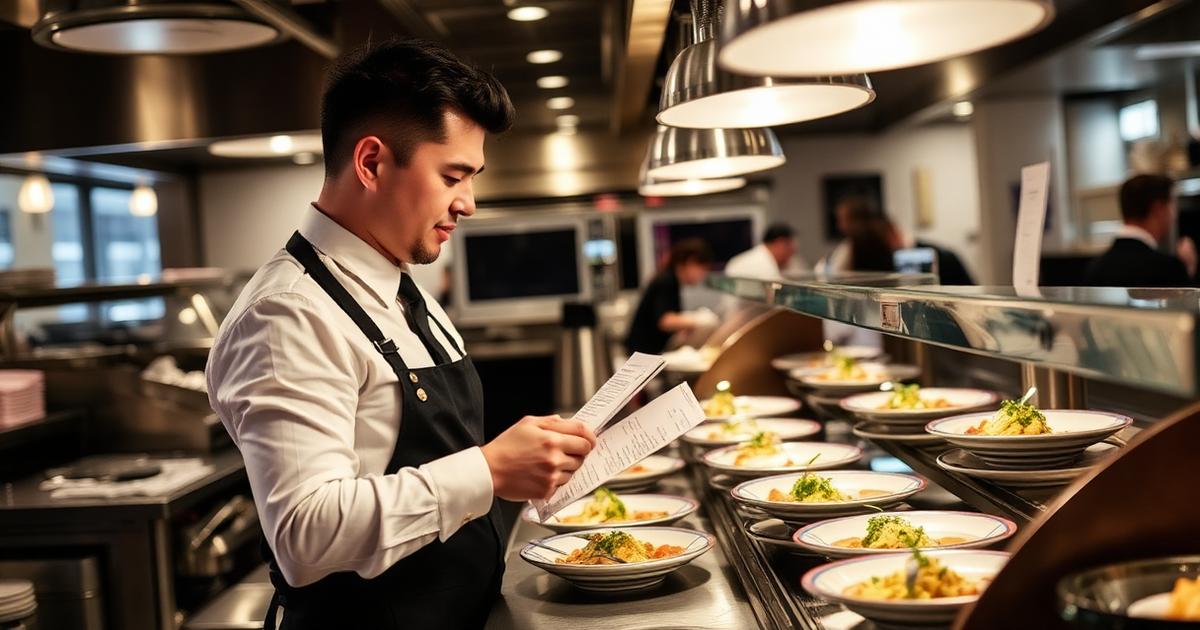
Sustainable kitchen staffing combines eco-conscious hiring practices with comprehensive training programs that empower kitchen workers to reduce waste, conserve energy, source responsibly, and minimize the environmental impact of daily restaurant operations.
Restaurants generate approximately 22-33 billion pounds of food waste annually in the US alone. Energy costs consume 3-5% of restaurant revenue. Beyond the environmental impact, sustainable practices directly affect your bottom line. Staff trained in sustainability can reduce waste by 20-50% and cut energy bills significantly.
In this guide, you'll learn how to integrate sustainability into your staffing strategy, key training areas that reduce waste and costs, how to measure your environmental impact, and practical steps to build an eco-conscious kitchen culture.
The Business Case for Sustainable Kitchens
Sustainability isn't just good ethics—it's good business:
- Cost savings: Waste reduction directly improves margins
- Customer demand: 73% of diners prefer eco-conscious restaurants
- Employee attraction: Younger workers seek purpose-driven employers
- Regulatory preparation: Environmental regulations are tightening
Hiring for Sustainability Mindset
Building a sustainable kitchen starts with hiring people who care:
Interview Questions That Reveal Values
Ask candidates about their experience with waste reduction, how they've conserved resources in past roles, and what sustainability means to them personally. Look for genuine interest, not rehearsed answers.
Highlight Your Commitment
In job postings and interviews, emphasize your sustainability initiatives. This attracts candidates who share these values and sets expectations from day one.
Essential Training Areas
1. Food Waste Prevention
Train staff on proper storage, FIFO (First In, First Out) rotation, portion control, and creative use of trim and scraps. Track waste daily so staff can see the impact of their efforts.
2. Energy Conservation
Teach habits that reduce energy consumption: turning off equipment when not in use, proper preheating procedures, efficient burner usage, and reporting maintenance issues that cause energy waste (like leaking refrigerator seals).
Staff Who Share Your Values
DishwasherHero+ connects you with professionals who can integrate into your sustainability-focused kitchen. Brief them on your practices and maintain your eco-conscious standards.
3. Sustainable Sourcing Awareness
Help staff understand where ingredients come from. When they know the story behind local, organic, or responsibly-sourced products, they treat those ingredients with more care and can communicate sustainability to guests.
4. Water Conservation
Kitchens use thousands of gallons daily. Train staff on efficient dishwashing procedures, fixing leaks promptly, and avoiding running water unnecessarily. Small habit changes create significant savings.
Measuring and Celebrating Progress
Track Key Metrics
What gets measured gets managed. Track:
- Pounds of food waste per cover
- Energy consumption per week/month
- Water usage trends
- Recycling and composting rates
Make Progress Visible
Post weekly sustainability metrics where staff can see them. Celebrate improvements and involve the team in problem-solving when numbers go the wrong direction.
Recognize Eco-Champions
Create recognition for staff who go above and beyond on sustainability. This reinforces desired behaviors and creates friendly competition to improve.
Build Your Sustainable Kitchen Today
Sustainable operations require sustainable staffing practices. By hiring for values, training comprehensively, and measuring results, you can build a kitchen team that reduces environmental impact while improving your bottom line.
Start with one focus area—food waste is often the highest-impact choice. Establish baseline measurements this week, implement training next week, and track improvements monthly. Small steps compound into significant change.
Staff Who Care About Impact
Build a team aligned with your sustainability mission. DishwasherHero+ provides reliable professionals who can support your eco-conscious kitchen operations.