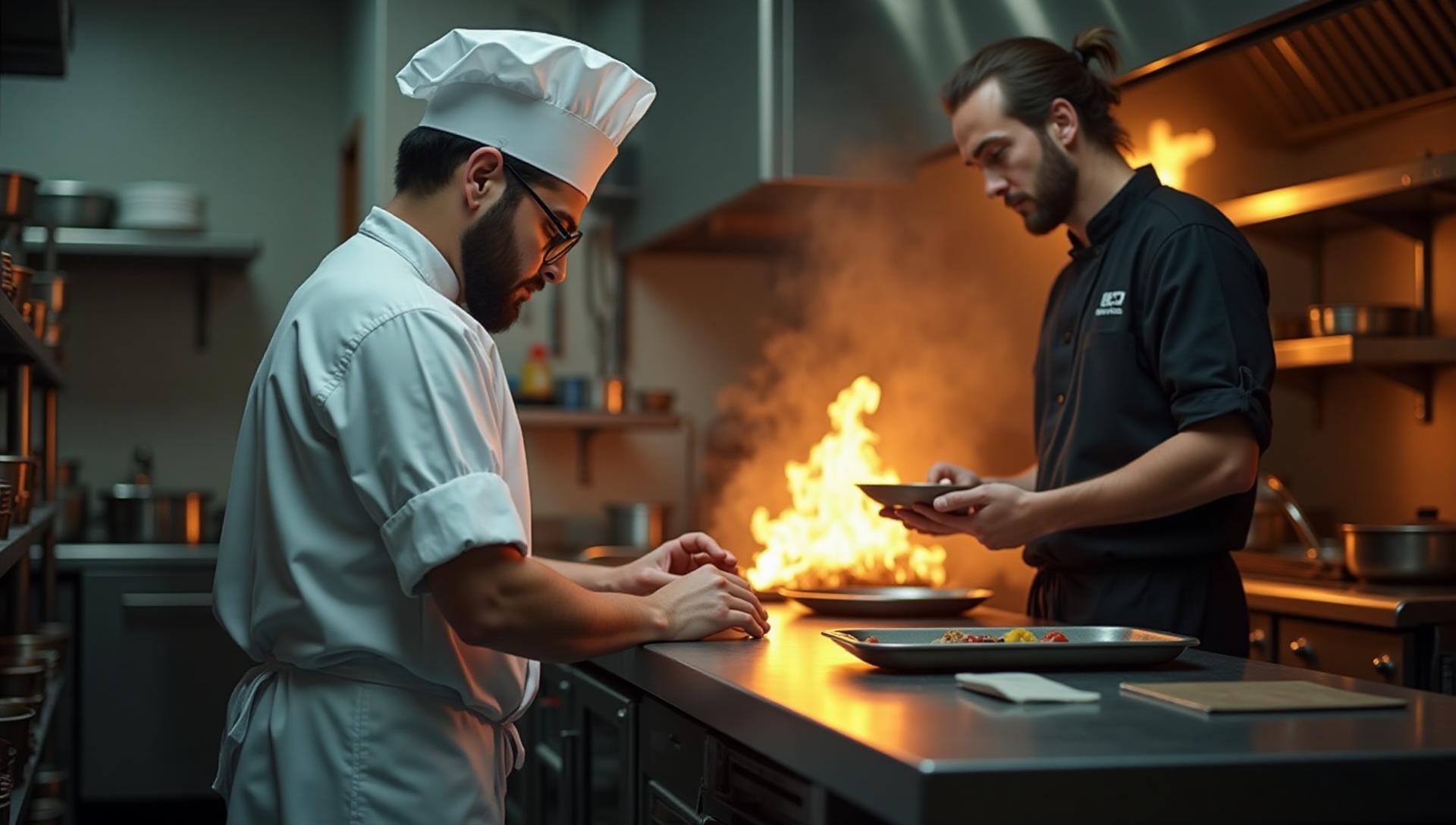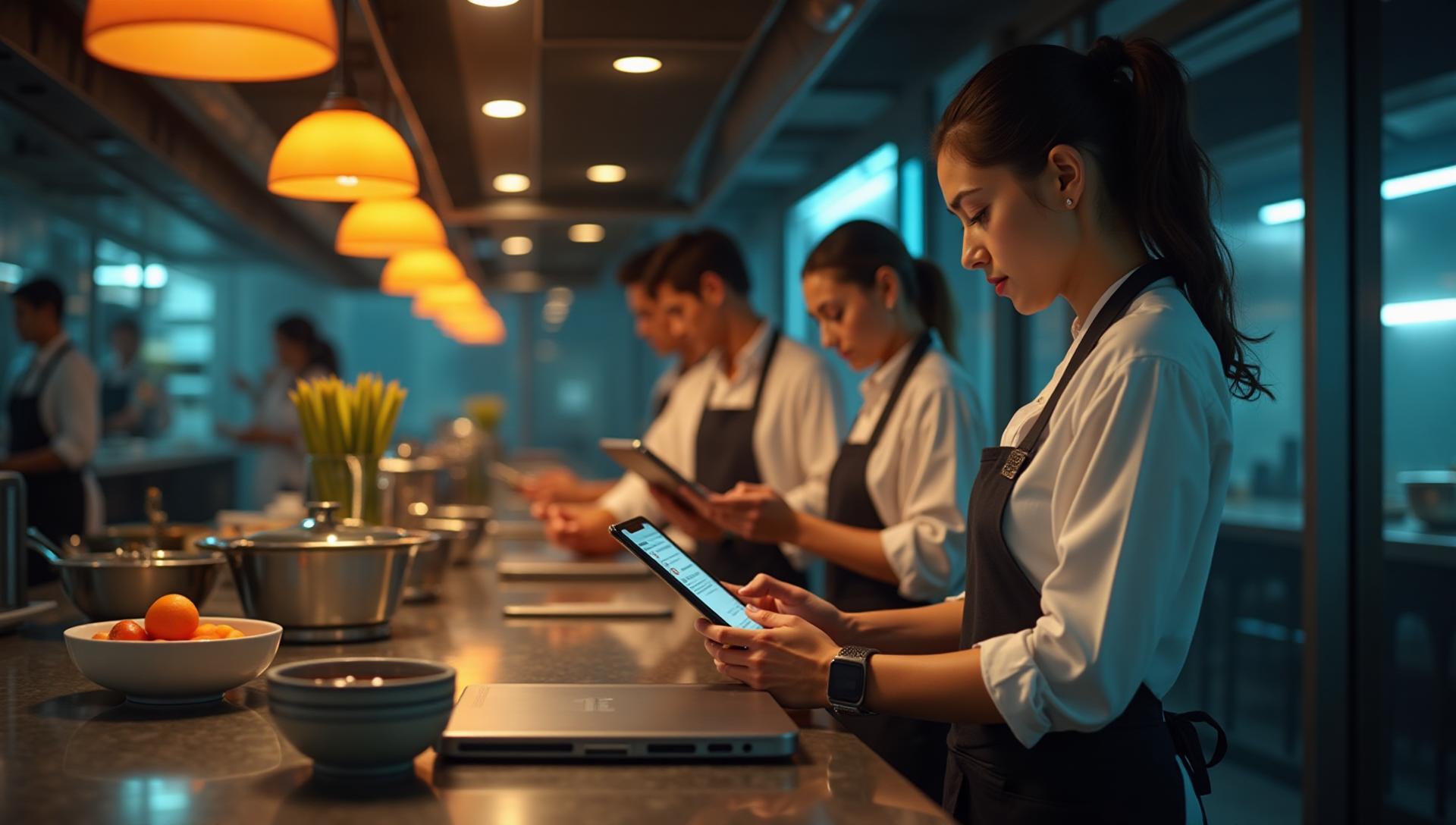
Stadium concession staffing refers to recruiting, training, and managing the workforce that serves food and beverages at large venues—from sports arenas and concert halls to convention centers and fairgrounds. These operations face unique challenges that differ significantly from traditional restaurant staffing.
Getting venue staffing right is critical: a 50,000-seat stadium can generate over $1 million in concession sales during a single event. Understaffing means lost revenue from long lines, while overstaffing cuts into already tight margins. The difference between success and failure often comes down to precise workforce planning.
In this guide, you'll learn how to navigate the unique challenges of venue staffing, plan for different event types, train staff for high-speed service, and avoid the common mistakes that plague concession operations.
The Unique Challenges of Venue Staffing
Stadium and arena staffing differs from traditional hospitality in fundamental ways. Understanding these differences is the first step toward building a successful concession operation.
Scale and Speed
Concession stands must serve thousands of customers in the 15-20 minutes before an event or during halftime. This creates intense pressure that requires staff who can work efficiently under extreme conditions. A single concession stand might process 200+ transactions per hour during peak periods.
Demand Peaks
Unlike restaurants with steady dinner rushes, venues experience sharp demand spikes. Before the event, during intermissions, and after the final whistle—these brief windows represent the majority of your sales. Staff must be positioned and ready before each peak begins. Canadian operators staffing Raptors home stands at Scotiabank Arena and Blue Jays series at Rogers Centre source surge dishwashers and runners from Scotiabank Arena and Rogers Centre concession staffing in the 48 hours before tip-off.
Variable Schedules
Events happen on irregular schedules: weeknight games, weekend concerts, occasional conventions. This makes maintaining a reliable workforce challenging. Many venue workers treat these as secondary income, which affects reliability and commitment.
Essential Roles for Concession Operations
Successful venue staffing requires the right mix of positions working together seamlessly.
Concession Workers
Front-line staff who interact directly with customers, take orders, process payments, and serve food. These workers need strong customer service skills and the ability to work quickly under pressure. A typical stand requires 3-5 concession workers depending on expected volume.
Food Runners and Stockers
Behind-the-scenes staff who keep stands supplied with product throughout the event. They rotate hot dogs, refill drink stations, and ensure concession workers never run out of inventory. Understaffing this role is a common mistake that slows down service.
Stand Supervisors
Experienced leaders who manage individual stands, handle customer complaints, authorize refunds, and ensure staff follow food safety protocols. Every stand needs at least one supervisor who can make decisions and solve problems quickly.
Roving Support
Mobile staff who move between stands to address bottlenecks, cover breaks, and respond to emergencies. These experienced workers are your flexibility buffer when unexpected issues arise.
Need Reliable Concession Staff?
DishwasherHero+ connects you with vetted, W-2 concession workers ready to work your next event. Request staff today.
Planning Staffing for Different Event Types
Staffing requirements vary dramatically based on event type, audience demographics, and expected attendance.
Sporting Events
Sports fans tend to arrive early and consume throughout the game. Plan for heavy pre-game sales and steady demand during play. Football and hockey games typically see higher per-capita spending than baseball, which has more but shorter breaks.
Concerts and Entertainment
Concert attendees often arrive late and make most purchases before the show starts. Expect a massive rush 30-60 minutes before showtime, then slower sales during the performance. Age of the audience matters: family shows have different consumption patterns than adult concerts.
Conventions and Trade Shows
Multi-day events with predictable meal periods. Staff for lunch and afternoon breaks with lighter coverage in between. These events typically require fewer workers per hour but over longer durations.
Training Concession Staff for Speed and Compliance
Effective training is essential given the limited time available to onboard new workers before each event.
Speed Training
Focus on repetitive tasks that can be learned quickly: POS system operation, standard drink pours, and menu item assembly. Create cheat sheets for pricing and combos. Practice during slower periods so speed becomes automatic.
Food Safety Essentials
Venue workers must understand temperature requirements, handwashing protocols, and allergen awareness. Many jurisdictions require food handler certifications even for temporary event staff. Verify credentials before the first shift.
Cash Handling
High-volume cash transactions create opportunities for error and theft. Train staff on accurate counting, drawer management, and void procedures. Establish clear accountability for each register.
Avoiding Common Venue Staffing Mistakes
Learn from the errors that trip up even experienced venue operators.
Underestimating No-Show Rates
Event work attracts workers who may cancel last-minute. Build a 10-15% buffer into your staffing plans. Partner with reliable staffing providers who verify worker commitment.
Ignoring Pre-Event Setup
Stands need setup time before doors open. Schedule staff to arrive well before the event starts. Rushing setup leads to service failures during the first rush.
Poor Break Scheduling
Short events don't excuse skipping breaks. Fatigued workers make mistakes and provide poor service. Build break coverage into your staffing plan, especially for events lasting more than 4 hours.
Neglecting Post-Event Cleanup
Many workers want to leave immediately after the event. Schedule dedicated closing crews who are committed to staying until cleanup is complete. This prevents inventory loss and sanitation issues.
Get Event-Ready Today
Successful stadium concession staffing requires understanding the unique demands of venue operations, planning for different event types, and building a reliable workforce that can perform under pressure.
Start by auditing your current staffing levels against the benchmarks in this guide. Identify gaps in your training program, especially around speed and food safety. Then build relationships with staffing partners who can provide reliable backup when you need to scale.
Ready for Your Next Big Event?
Connect with experienced concession workers through DishwasherHero+. Vetted, W-2 staff ready to work when you need them.
Staffing a Stadium Concession Operation: The Numbers
A 60,000-seat stadium typically requires 400–600 concession workers per event when all stands and full-service clubs are open. For kitchen and BOH roles specifically — dishwashers, food assemblers, and prep cooks — operators need 40–80 workers per event depending on the mix of full-service restaurants versus grab-and-go concessions on the concourse.
Those numbers are about to be tested. With FIFA World Cup 2026 bringing matches to 11 US host cities — including NYC/New Jersey, Los Angeles, Dallas, Houston, Atlanta, Kansas City, Miami, Philadelphia, San Francisco Bay Area, Seattle, and Boston — stadium kitchen staffing demand is expected to spike significantly in June and July 2026. Host venues are already adding shifts at adjacent training facilities, fan festivals, and hotel banquet operations supporting team delegations.
The Unique Challenges of Event-Based Kitchen Staffing
Stadium kitchens operate on a fundamentally different rhythm than restaurants. Doors open at a fixed time, peak volume hits within 90 minutes, and everything winds down by the final whistle. Four challenges define the staffing problem:
- Unpredictable event scheduling. Playoff games, weather delays, and rescheduled concerts create staffing requests with less than 48 hours notice.
- Large simultaneous worker volume. A single venue may need 60+ BOH workers showing up within the same 30-minute window — far beyond any single agency's bench.
- Strict compliance and credential requirements. Stadium operators and food service contractors (Aramark, Levy, Sodexo, Delaware North) require background checks, food handler cards, and W-2 documentation that 1099 gig platforms can't produce.
- Compressed feeding windows. Serving 40,000+ guests in a 3-hour window leaves zero margin for kitchen station gaps.
How DishwasherHero+ Supports Stadium and Venue Events
DishwasherHero+ runs a dedicated event staffing operation built around the FIFA 2026 host-city calendar and the broader stadium event circuit. Every worker placed at a venue is a W-2 employee with completed background checks and current food handler certifications — the documentation venues and prime food service contractors require before badging any worker into a back-of-house area.
The W-2 employment model removes the largest single objection venue operators have to on-demand staffing: 1099 misclassification risk. Our platform produces the I-9, payroll, and workers' compensation documentation prime contractors need to extend access credentials.
Planning for a stadium event or the FIFA 2026 surge?
See our stadium & venue staffing capability →•Request event staff now →