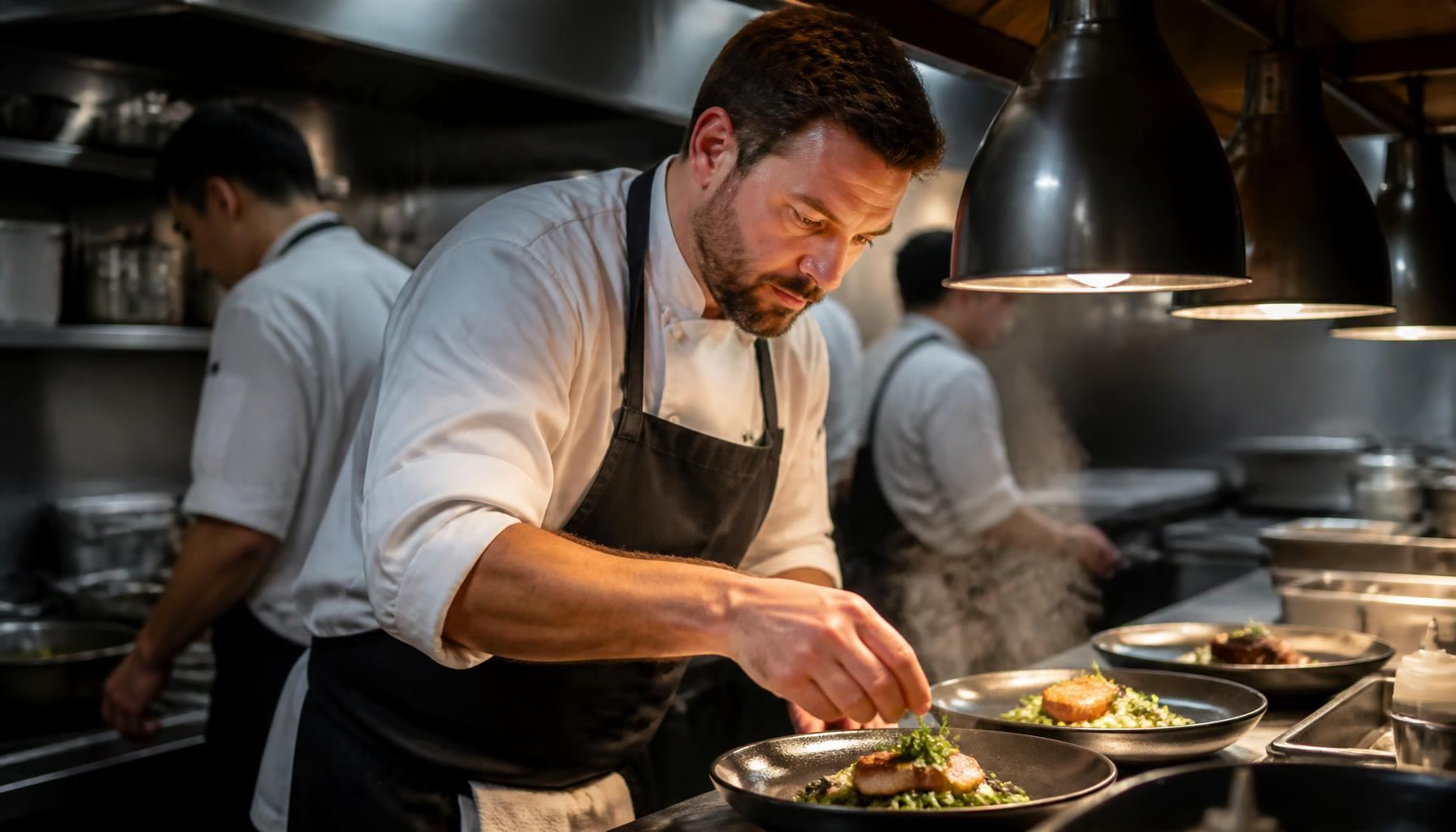
Managing kitchen labor during economic downturns means making strategic decisions about staffing levels, compensation, and scheduling that balance cost control with service quality. It's about being smart, not just cutting costs.
Economic uncertainty is a reality of the restaurant business. Whether it's inflation, recession, or local economic shifts, knowing how to manage labor costs without destroying quality is essential for survival. Operators who cut too deep too fast often accelerate their decline.
In this guide, you'll learn five smart cost control strategies that protect quality, common mistakes to avoid during downturns, and how to use economic pressure as an opportunity for operational improvement.
Don't Panic—Plan
Knee-jerk reactions to economic pressure often make things worse. Cutting too deep too fast leads to service failures, which accelerates revenue decline. Instead, take a measured approach:
- Analyze your current labor data before making cuts
- Identify inefficiencies before reducing headcount
- Protect your best people—they're hardest to replace when things improve
Smart Cost Control Strategies
1. Analyze Before You Cut
Before reducing headcount, analyze your labor data. Where are you overstaffed? Which shifts have the lowest productivity? Cut strategically, not across the board.
2. Shift to Variable Labor
Convert some fixed positions to on-demand staffing. This gives you flexibility to scale with actual demand rather than projected demand that may not materialize.
3. Cross-Train Aggressively
Multi-skilled staff can cover multiple positions, reducing the total headcount needed while maintaining coverage. Invest in cross-training before you need it.
Flexible Staffing for Uncertain Times
Scale your kitchen team up or down with DishwasherHero+ on-demand professionals—matching labor to actual demand.
4. Optimize Scheduling Ruthlessly
Use data to match staffing to actual demand. Scheduling in 15-minute increments rather than hourly can reduce labor costs by 10-15% without affecting service quality.
5. Invest in Retention
Counterintuitive but true: downturns are when retention matters most. Replacing workers during tight times is expensive and disruptive. Protect your best people even if it means harder decisions elsewhere.
What Not to Do
- Don't cut training: Poorly trained staff make expensive mistakes
- Don't eliminate all flexibility: You'll lose good people to competitors who offer it
- Don't compromise food safety: The cost of an incident far exceeds any savings
- Don't ignore morale: Fearful, unhappy staff provide poor service
The Silver Lining
Economic pressures force operational improvements that benefit you even when times are good. Many operators emerge from downturns leaner and more efficient than ever before.
Prepare Your Operation Now
Whether a downturn is imminent or you're planning for the future, the strategies in this guide will help you control costs without sacrificing the quality that keeps customers coming back.
Start by analyzing your current labor efficiency. Where are you overstaffed? Which processes could be streamlined? Use this information to make smart, strategic decisions rather than panic cuts.
Ready for Variable Staffing?
Convert fixed labor costs to variable costs with on-demand staffing. Match labor to revenue automatically.