Large-format catering staffing at a glance
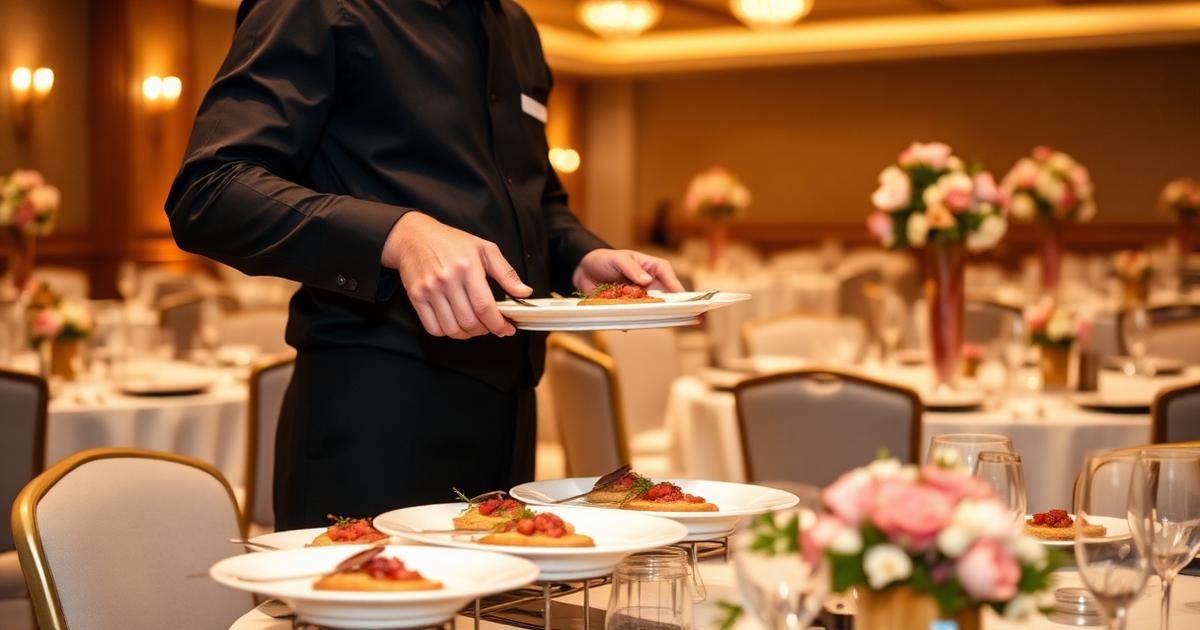
A 500-person catering event needs 20–30 BOH workers across commissary prep and on-site service, plus 42–58 FOH workers for plated dinner service. The key differentiator from restaurant staffing: two separate kitchen operations — commissary and venue — must be staffed and coordinated independently.
Large-Format Catering vs Restaurant Staffing: What's Different
Large-format catering is not restaurant service at scale — it's a fundamentally different operational model. The differences that drive unique staffing needs:
- Two kitchens, not one: Bulk prep happens at a commissary kitchen, final prep and plating happen at the event venue. Each requires separate staffing.
- No continuous service: All courses are served in synchronized waves rather than continuously — the plating crew must produce 500 plates in a defined window.
- No permanent staff to anchor: Most catering events are staffed entirely with event-day teams. There's no core crew who knows the kitchen layout.
- Logistics are part of the job: Loading, transport, unloading, and setup at the venue are BOH tasks that don't exist in restaurant service.
- No second chance: A restaurant can recover from a slow period. A catering event has one service window — there are no do-overs.
BOH Staffing Plan: 500-Person Catering Event
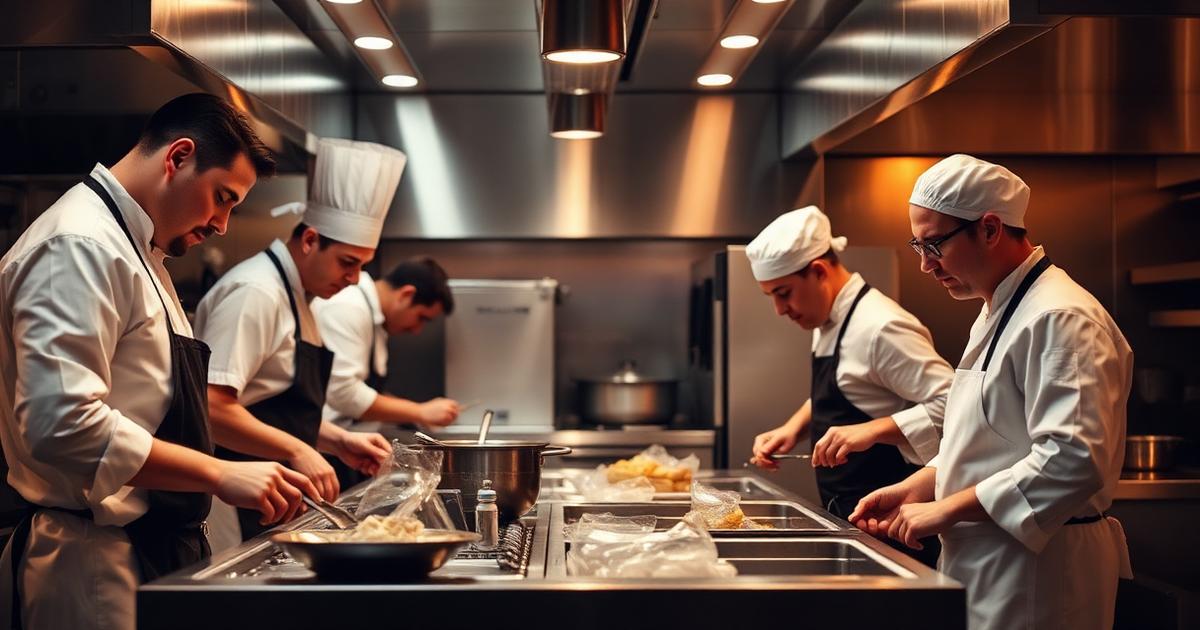
Commissary team (T-8 hours to T-3 hours):
- 3–5 prep cooks: portioning proteins, preparing sauces, organizing mise en place for transport
- 1–2 kitchen porters: loading, packing, and organizing transport containers
- 1 commissary supervisor: coordinating timeline and transport logistics
On-site venue team (T-3 hours to event end):
- 2–3 prep cooks: final prep, receiving deliveries from commissary
- 6–8 line cooks: plating and finishing during service windows
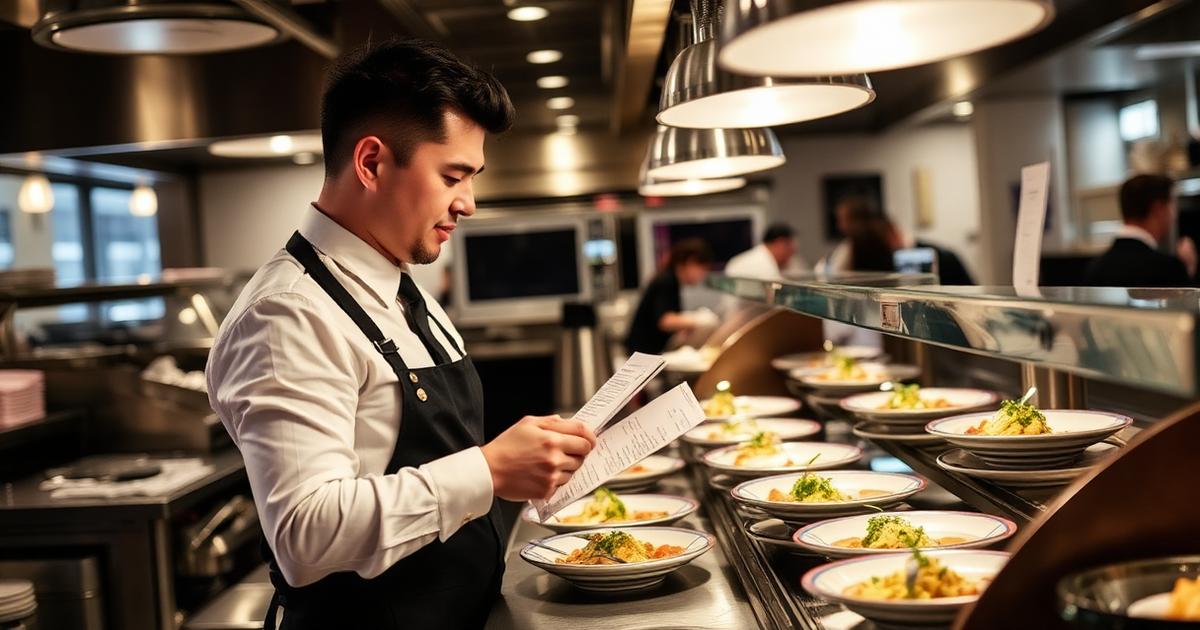
- 2 expeditors: coordinating kitchen-to-server timing at the pass
- 3–4 dishwashers: running throughout service and through breakdown
- 2–3 kitchen porters: waste management, general support
Total BOH: 20–27 workers across both kitchens.
Surge Staffing Strategy for Large Events
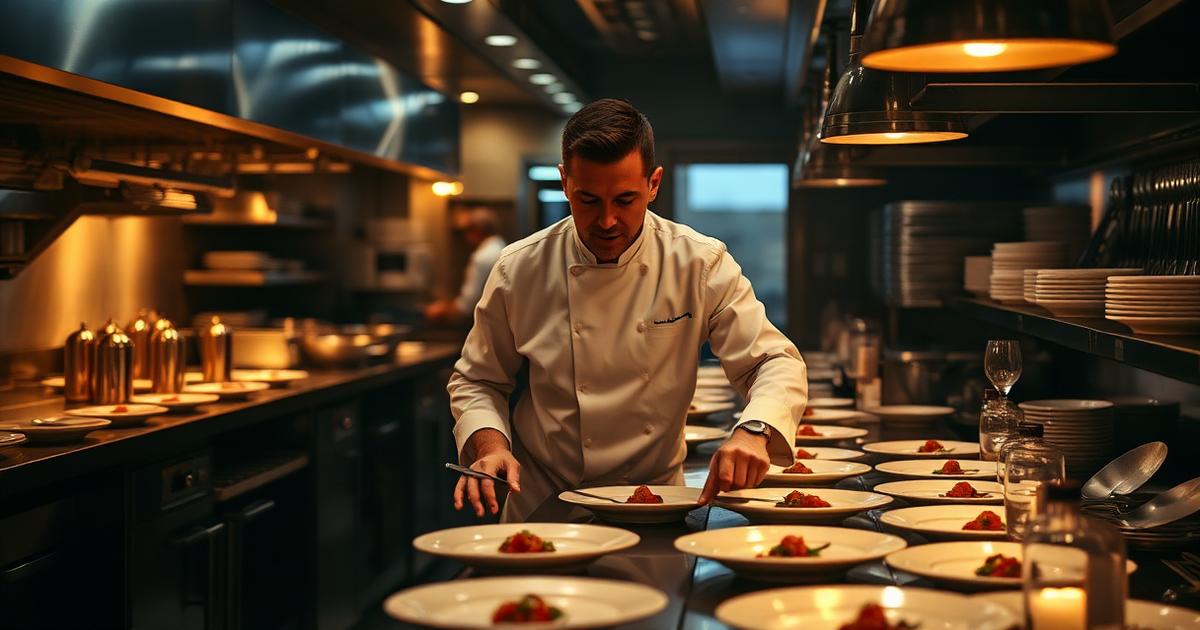
The biggest staffing risk in large-format catering is underestimating the plating surge. During a 30-minute service window for 500 guests, the line must produce plates at 17 per minute. This requires:
- A fully staffed plating line with clear station assignments before the first ticket
- Redundant positions for the highest-volume stations (protein finish, garnish)
- A dedicated expo who does nothing but call timing and coordinate the pass
- Pre-positioned running teams so plates move from the pass to tables in under 3 minutes
Understaff by 2–3 workers on the plating line and your service window stretches from 30 minutes to 60+ — which is the difference between a successful event and a catering crisis. Build in a buffer of 10–15% above your calculated minimum for all BOH positions.
Staff your large-format catering event
DishwasherHero+ places W-2 prep cooks, line cooks, dishwashers, and kitchen porters for catering events of any size across 30+ US and Canadian cities.
Staff your large-format catering event
DishwasherHero+ places W-2 prep cooks, line cooks, dishwashers, and kitchen porters for catering events of any size across 30+ US and Canadian cities.
Also see: Gala dinner staffing guide →