What does the kitchen staff hiring process involve?
The kitchen staff hiring process runs in five steps: write a plain-language job post, source through referrals and BOH job boards, screen for availability and reliability, run a paid trail shift on a live station, and onboard with a named trainer through the first week.
Running a Hiring Process That Actually Fills BOH Roles
Most kitchens lose candidates in the gaps between steps, not at the interview. This guide walks the process end to end — sourcing, screening, the trail shift, and the first week — so the people you bring in are still on the schedule in ninety days.
If you need someone on the line this week rather than a hiring process, skip the hiring cycle and have a vetted worker placed for the shift instead.
Sourcing and Screening Dishwasher Candidates
Dishwashers are the hardest BOH role to keep filled, and most of the loss happens before the first shift. What works in the sourcing and screening steps:
- Lower the friction: accept walk-in applications and decide the same day
- Pay weekly — candidates entering BOH often need fast cash flow
- Use clear, plain-language job posts (skip the corporate jargon)
- Screen for commute and availability before skill — that is what breaks attendance
- Treat the role with respect in the interview; high turnover is mostly a culture problem
Running the Trail Shift
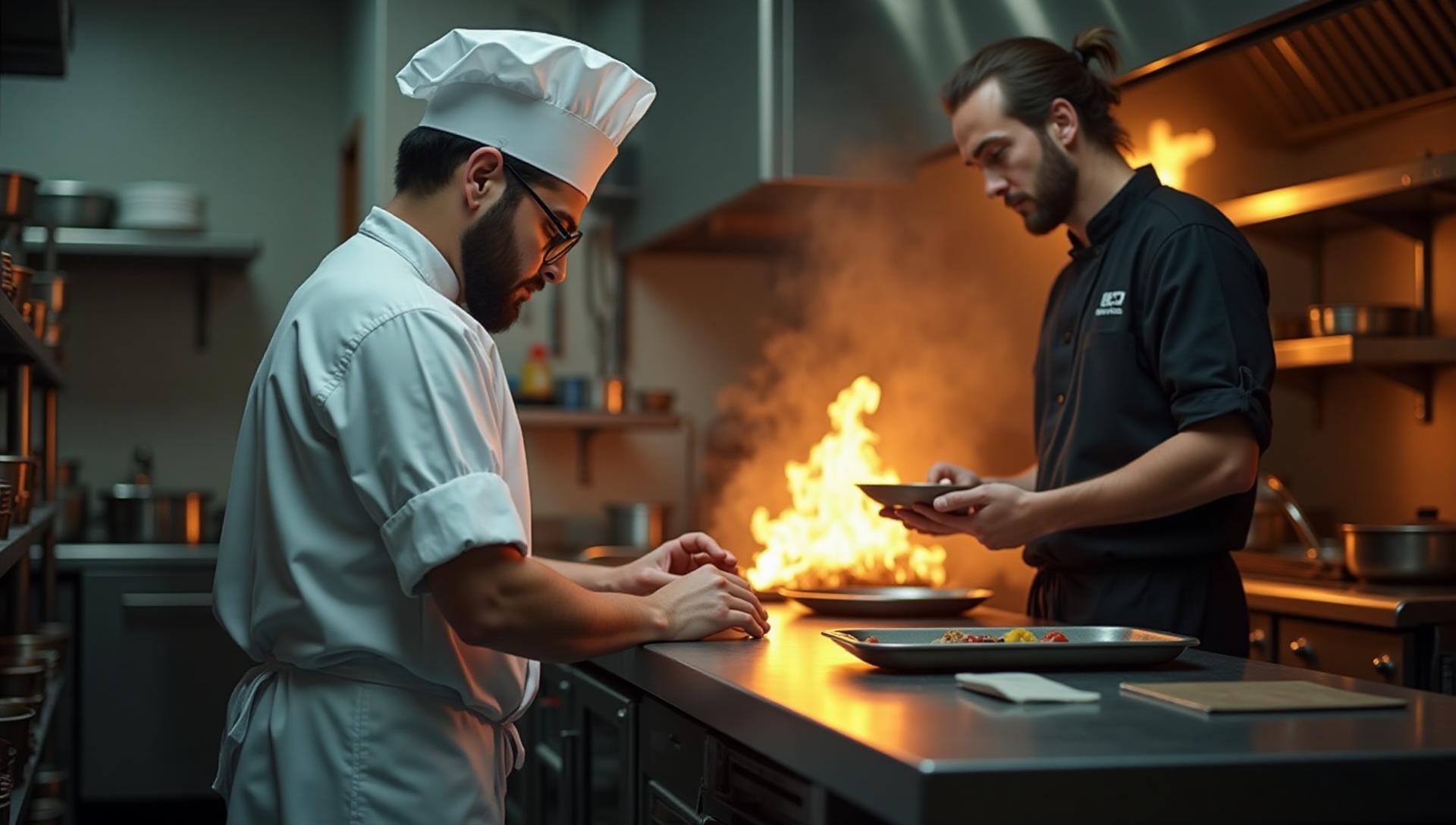
The paid trail shift is the only part of the process that predicts anything. Run it on a live service, not a quiet afternoon, and watch three things: station pace under pressure, how the candidate resets between tickets, and whether they ask questions rather than guessing.
- Pay for the trail. Unpaid trails lose the candidates worth keeping.
- Assign a named trainer for the whole shift, not whoever is free.
- Debrief within 24 hours and make the offer or decline — delay loses candidates to whoever answers first.
While a process runs, coverage still has to happen. Most kitchens keep a bench for that: a kitchen staffing partner covers the open shifts so hiring decisions are not made under pressure.
Screening Line Cooks and Prep Cooks
Line cooks and prep cooks need deeper screening than dishwashers because the skill gap is real. For permanent roles, run a proper interview and a paid trail on the station they would actually work. Start from a proven line cook job description template. Start with a clear dishwasher job description to attract the right candidates.
Solving Restaurant Staffing Challenges Long-Term
The biggest restaurant staffing challenges in 2026 aren't going away: thinner candidate pools, faster wage inflation, and rising no-show rates. The most resilient operators run a hybrid model — a lean core team they invest heavily in, supported by an on-demand bench for surges, callouts, and emergencies.
This approach lowers fixed labor cost, eliminates training-investment loss from turnover, and guarantees you never open without a dish pit.
Need kitchen staff for your restaurant?
Book vetted professionals on DishwasherHero+ →
Ready to hire? Post a dishwasher shift now →
Once you have the job description, find a kitchen staffing agency to fill the role fast.
The complete kitchen hiring guide
Everything that sits underneath this process — the job descriptions you post, what each role actually does on the line, how to cover the shifts while a search runs, and where to book crews when hiring is not fast enough.
Write the job post
Understand the roles you are hiring
- How back-of-house roles fit togetherWho does what across the pit, prep bench and line.
- What a line cook actually doesStation pace, ticket flow and the skills that separate candidates.
- The prep cook role, explainedMise en place workload and how it feeds the line.
- What a busser is responsible forThe front-to-back handoff most hiring plans forget.