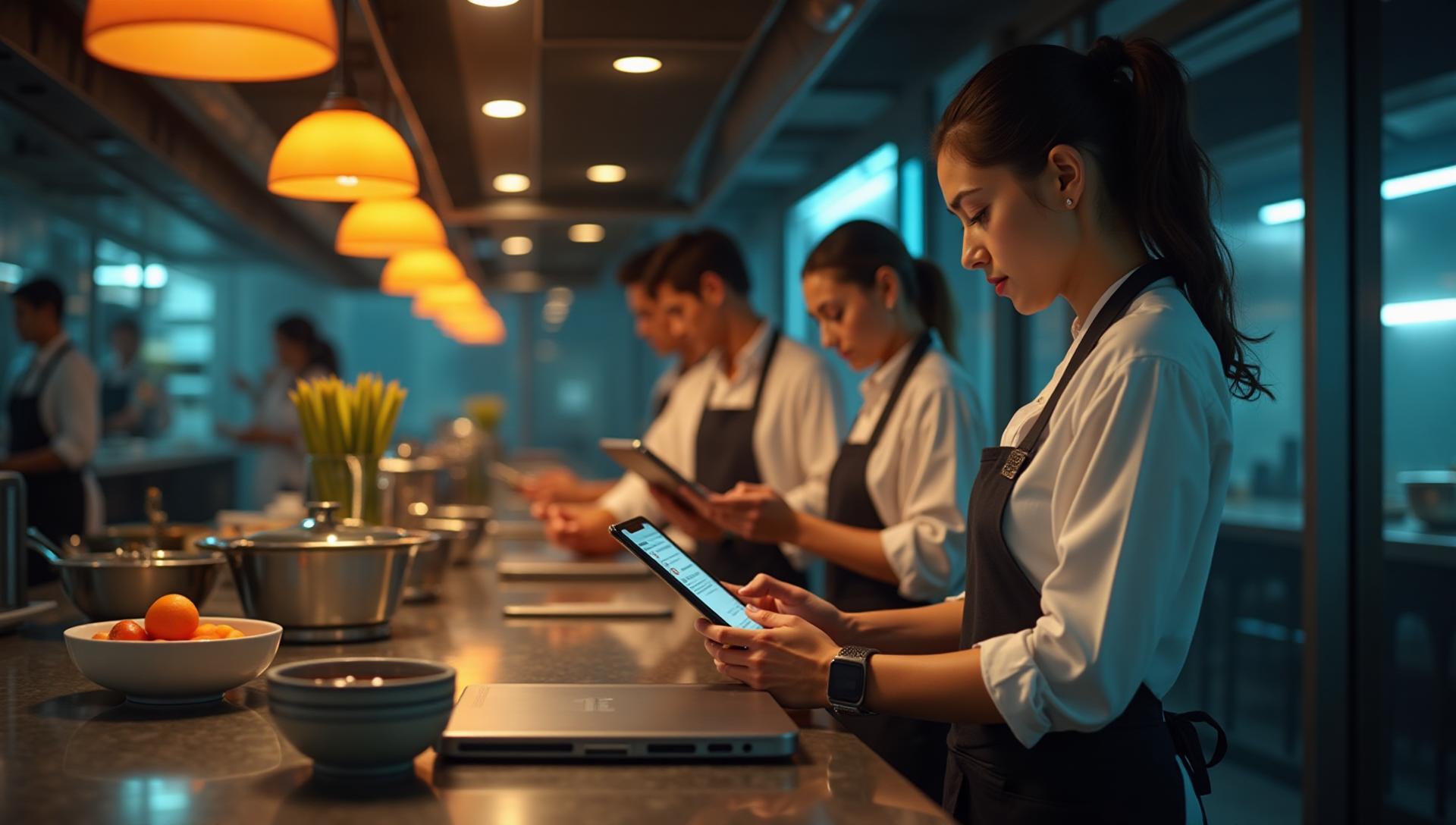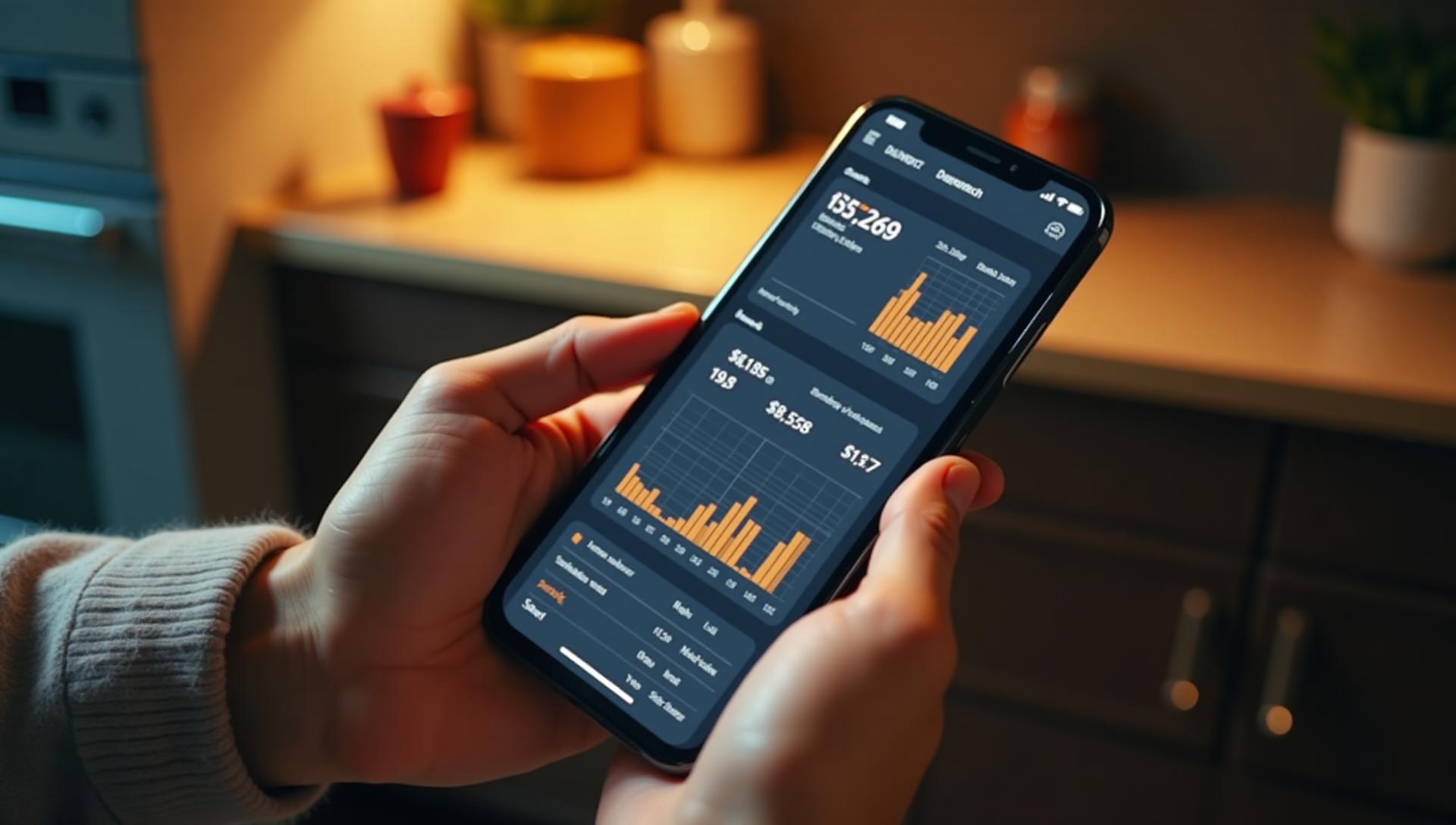
AI-powered scheduling uses artificial intelligence and machine learning algorithms to automatically create, optimize, and adjust staff schedules based on predicted demand, employee availability, labor laws, and operational requirements—reducing manual work while improving coverage and cost efficiency.
Restaurant managers spend an average of 8-12 hours per week on scheduling alone. Mistakes lead to understaffing (poor service) or overstaffing (wasted labor costs). AI scheduling tools can reduce scheduling time by up to 80% while improving accuracy through data-driven predictions.
In this guide, you'll learn how AI scheduling technology works, what features to look for in a solution, real-world benefits restaurants are seeing, and how to implement AI scheduling in your operation without disrupting your team.
How AI Scheduling Works
Modern AI scheduling platforms analyze multiple data streams to create optimized schedules:
Demand Forecasting
The AI examines historical sales data, reservation counts, local events, weather forecasts, and seasonal patterns to predict how busy each shift will be. This allows scheduling the right number of staff—not too many, not too few.
Employee Matching
Beyond availability, AI considers employee skills, certifications, performance ratings, and preferences. The system matches the right people to the right shifts, ensuring you have experienced staff during peak hours.
Compliance Automation
Labor laws vary by location. AI tracks overtime thresholds, required break periods, minimum rest between shifts, and predictive scheduling laws—automatically flagging violations before they happen.
Key Features to Look For
1. Mobile-First Design
Your staff lives on their phones. Choose a platform with a strong mobile app where employees can view schedules, request changes, swap shifts with approved colleagues, and receive push notifications.
2. Integration Capabilities
The best AI schedulers integrate with your POS system (for sales data), payroll software (for seamless processing), and communication tools (for announcements and confirmations).
When AI Says You Need More Staff
Even the best predictions occasionally fall short. DishwasherHero+ provides same-day access to vetted kitchen professionals when you need extra coverage.
3. Scenario Planning
Advanced platforms let you model "what if" scenarios. What if a key employee calls out? What if you add a lunch special that increases traffic? AI can show you staffing implications instantly.
4. Real-Time Adjustments
Conditions change. A sudden rainstorm might reduce traffic, or a nearby venue's event could spike demand. Look for AI that can recommend real-time adjustments and help you quickly contact available staff.
Real-World Benefits
Restaurants using AI scheduling report significant improvements:
- 30-40% reduction in manager time spent on scheduling
- 15-25% decrease in labor costs through optimized coverage
- 50%+ improvement in employee satisfaction with schedules
- Significant reduction in overtime and compliance violations
Implementation Best Practices
Start with Clean Data
AI is only as good as its inputs. Before launching, ensure your employee profiles are complete with accurate availability, skills, and contact information. Clean up your historical sales data too.
Train Your Managers
The AI assists—it doesn't replace judgment. Managers need training on how to interpret AI recommendations, when to override them, and how to provide feedback that improves future predictions.
Communicate with Staff
Employees may worry about automation affecting their hours. Explain that AI creates fairer schedules based on preferences and skills, not favoritism. Highlight benefits like easier shift swapping and consistent hours.
Start Your AI Scheduling Journey
AI-powered scheduling isn't futuristic technology—it's available now and increasingly affordable for operations of all sizes. The competitive advantage goes to restaurants that adopt these tools early, reducing costs while improving both service quality and staff satisfaction.
Evaluate your current scheduling process this week. How many hours does it take? How often do you end up understaffed or overstaffed? These pain points are exactly what AI scheduling solves.
Complete Your Workforce Strategy
Pair smart scheduling with on-demand staffing. DishwasherHero+ gives you flexibility when your core team needs backup—no matter what the AI predicts.